

A US congressman wants to change what it means to buy a video game. Representative Ritchie Torres, a Democrat from New York, has announced the Power To The Players Act, which would direct the Federal Trade Commission to make sure that paying for a game gives you ownership of it rather than a revocable licence.
Key points
- Rep. Torres (NY-15) announced the bill on October 15, 2026.
- It would direct the FTC to write rules so that buying a game gives "ownership of the game rather than a license to play it."
- Games with online features would have to offer an offline mode before their servers are shut down.
- Torres cites NBA 2K25, which is being delisted on October 30 and will have its servers shut down on December 31.
- The full bill text is not yet public, and it is far from becoming law.
What the bill would do
According to Rep. Torres's announcement, the Power To The Players Act would direct the FTC "to establish regulations protecting consumers' ability to own and play the video games they purchase." The announcement lists two main changes:
- Ownership, not a licence: "buying a video game would give the consumer ownership of the game rather than a license to play it."
- Offline mode before shutdown: "Games with online functionality would also be required to provide an offline mode before the servers supporting them are shut down."
The aim, the office says, is to preserve players' ability to own and resell their games so they "can keep playing the games they paid for with friends and family for years to come."
Why Torres says it is needed
"When you pay for a game, you should own it," Torres said. "Consumers must have the right to own, the right to play, and the right to transfer the games they buy. A game that can be taken away the moment a company pulls the plug is not a purchase. It is a rental disguised as a sale."
He points to NBA 2K25 as an example. The announcement says the game, which sold for $69.99 for the standard edition and $99.99 for the All-Star Edition, will be delisted from digital stores on October 30 and have its online servers shut down on December 31, about two years after release. Speaking to Kotaku, Torres put it simply: "If you pay for it, you own it," Ars Technica reports.
The bigger picture: digital-only gaming
The bill arrives as the industry moves away from physical media. The Verge notes that concerns about ownership have grown since Sony announced plans to phase out physical game discs in 2028. Ars Technica reports that, according to Sony's latest earnings, digital downloads made up 82% of full-game unit sales on PS4 and PS5 in the period covered.
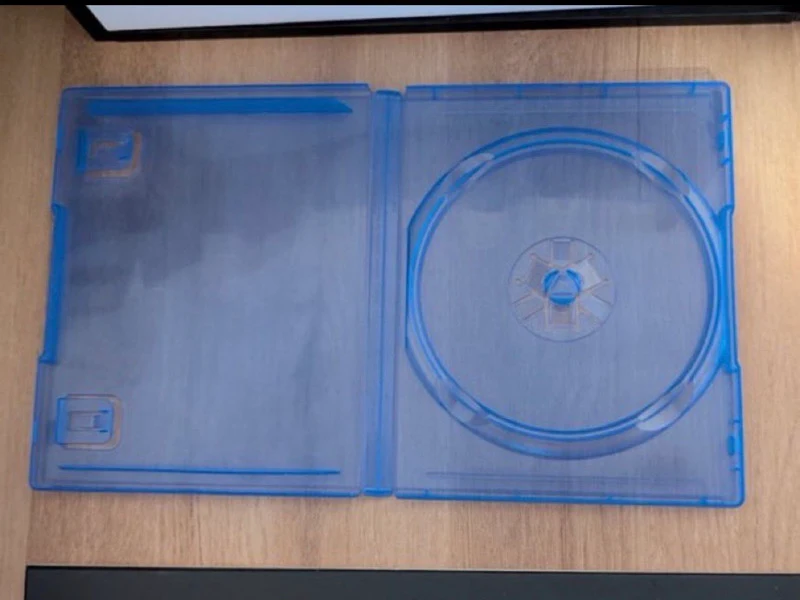
Physical discs are not a complete fix, Ars points out. Many disc-based games still need online servers, and licence agreements usually say the buyer gets a revocable licence even when the game is on a disc.
How it compares with other efforts
Campaigns such as Stop Killing Games have pushed for similar changes. The Verge says the bill resembles Pennsylvania's proposed Protect Our Games Act from State Senator John Kane, which would require an offline mode, an online mode that does not depend on the company's servers, or at least a 25% refund when a game is shut down.
Some earlier proposals were criticised for effectively requiring companies to keep servers running forever. Ars says this bill appears to avoid that by asking for offline modes instead, though that could still be technically difficult for games built around online play.
What happens next
This is a proposal, not a law. Ars Technica notes that most proposed bills never reach a vote, and that because the full text is not yet available, it is not possible to judge how effective or enforceable it would be. Torres's office says he "will introduce" the legislation, and it would need to pass both the House and the Senate and be signed by the president.
Why it matters
More and more of what people "buy" online, from games to films, is really a licence that can be withdrawn. If this bill moves forward, it could set a national standard for what players are entitled to after a game's servers go dark. Even if it stalls, it adds pressure on publishers to plan for offline play and to be clearer about what customers are paying for.
Sources
- Office of Rep. Ritchie Torres: Power To The Players Act announcement (October 15, 2026)
- Ars Technica: US Rep proposes bill to give game buyers ownership
- The Verge: Video game ownership bill
- Kotaku: Rep. Ritchie Torres announces legislation to protect game ownership
- Dexerto: US lawmaker proposes bill to let players keep their games


Comments