
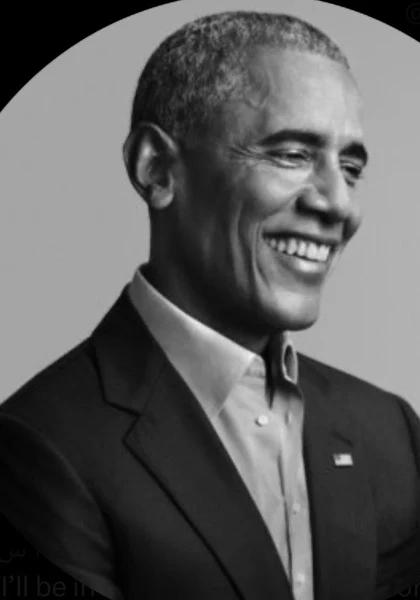
A political controversy involving Minnesota Congresswoman Ilhan Omar has raised serious questions about government power, political retaliation, and the future of American democracy.
In a statement shared on X, former U.S. President Barack Obama criticized what he described as efforts by the Trump administration to target political opponents, arguing that no American should face selective government action simply because of their political beliefs or criticism of the president.
Key points
- Former President Barack Obama condemned the Trump administration's investigation into Rep. Ilhan Omar's citizenship.
- Homeland security agents searched Omar's Washington home as part of the probe, the BBC reports.
- Obama says the case rests on an "unsubstantiated theory" about Omar's age when her father was naturalized.
- The White House denies the investigation is politically motivated.
What we know
According to BBC News, homeland security agents searched Omar's Washington, D.C. home last week as part of an investigation into her immigration status. US media have reported that the probe concerns her citizenship and whether her age was recorded correctly when she arrived in the US in 1995.
"The full weight of the federal government is being brought down on a law-abiding elected official because she has dared to criticize the president." — Barack Obama on X, October 18, 2026
Obama wrote that Omar's father became a naturalized citizen when she was 17, which gave her citizenship, and that the administration was "actively trying to deport Congresswoman Omar, seemingly based solely on the unsubstantiated theory that she was actually 18." He warned that if this "becomes the new normal," there is "no reason to believe it will stop with her."
The White House denied the investigation was political. "Unlike Joe Biden, President Trump has not weaponized the Department of Justice against his political foes," spokeswoman Lauren Bis told the BBC. Trump has said the investigation had "nothing to do" with him. The BBC notes the case could lead the Justice Department to seek to "denaturalise" Omar, which would require proving material lies in the naturalisation process.
Who Is Ilhan Omar?
Ilhan Omar arrived in the United States with her father when she was 12 years old. She later became a U.S. citizen and went on to build a political career, first serving in the Minnesota Legislature before winning election to the U.S. House of Representatives.
Omar, one of President Donald Trump's most vocal critics, has frequently clashed with his administration over immigration, foreign policy, and other major political issues.
Her background and political career have now become central to a wider debate about citizenship, constitutional rights, and the limits of federal authority.
Why Is the Case Causing Controversy?
Obama's statement raises concerns about allegations surrounding Omar's citizenship and the possibility of legal action against her.
Obama argues that the government must rely on credible evidence and established legal procedures rather than political disagreements when examining a person's legal status.
The claims described in the statement have significant implications if substantiated. However, allegations about investigations, searches, or potential deportation should not be treated as established facts without independent confirmation from reliable sources or official records.
Obama Warns About the Future of American Democracy
The broader message goes beyond one congresswoman.
The central concern is whether federal institutions could be used to pressure elected officials who openly criticize the president. In a democracy, government investigations should be conducted according to the law, with due process and equal treatment regardless of political affiliation.
The controversy also highlights the importance of maintaining public confidence in law enforcement and ensuring that political disputes do not undermine the independence of government institutions.
Supporters of investigations argue that credible legal concerns should be examined through proper procedures. Critics, meanwhile, warn that investigations driven by political hostility could create a dangerous precedent.
What Happens Next?
The dispute adds another layer to the political divisions in Washington, where immigration, citizenship, and presidential authority remain deeply contested issues.
Any legal challenge involving Omar's citizenship would need to be assessed through the applicable legal process, based on evidence rather than political rhetoric.
Ultimately, the controversy raises a question that extends beyond party politics:
Can American democracy protect its institutions if government power is used to intimidate political critics?
The answer will depend on the evidence, the law, and whether the institutions responsible for enforcing it remain independent.
Why it matters
Investigating a sitting member of Congress who is a prominent critic of the president raises questions about the independence of law enforcement. If the government seeks to strip Omar's citizenship, the case will test how denaturalization is used. Whatever the outcome, it is likely to deepen political divisions ahead of the November midterms.



Comments